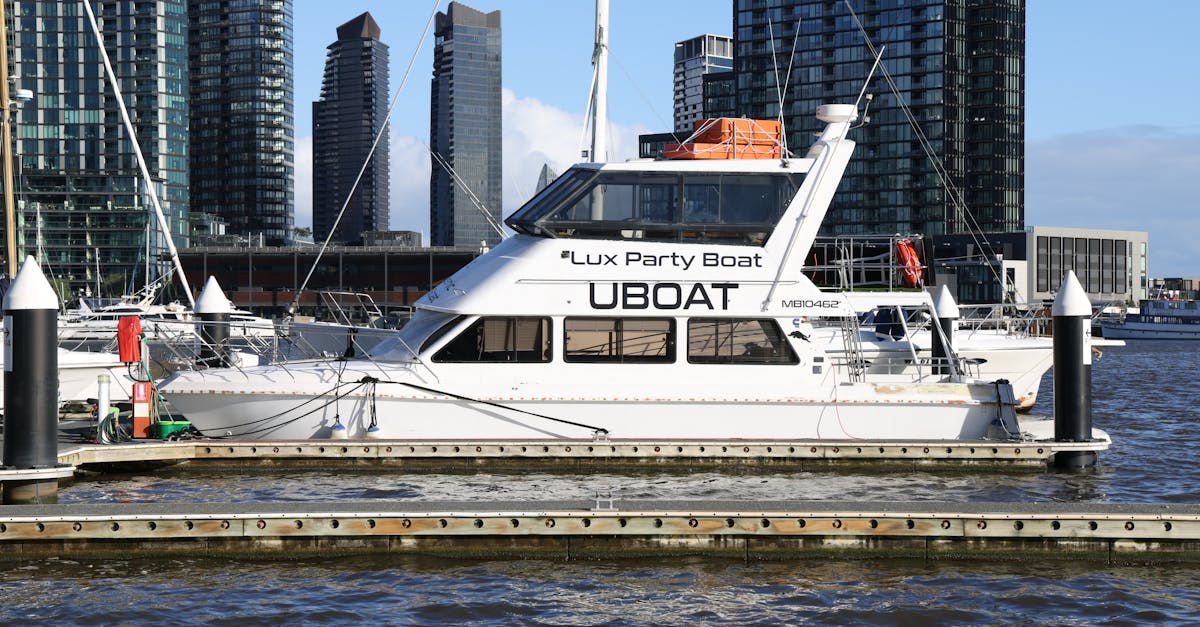
Maximising Space: BBQ Setup on Pontoon Boats
Table Of Contents
Setting Up a Functional BBQ Station
Creating a functional BBQ station on a pontoon boat requires careful consideration of space and layout. Begin by selecting a flat surface that can accommodate the BBQ grill, ensuring it is securely anchored to prevent any movement during cooking. Portable foldable tables can be a great addition, providing extra room for food preparation and serving. Investing in storage solutions like bins or containers will help keep ingredients and utensils organised, preventing them from rolling around in the boat’s confined space.
Safety should also be a priority in the design of your BBQ station. Position the grill away from any flammable materials, including boat cushions and fuel sources. Using a high-quality mat under the grill can protect the deck from spills and splatters. Make sure cooking implements are easily accessible and keep a fire extinguisher close at hand. This setup not only ensures a seamless cooking experience but also enhances the overall enjoyment of your BBQ on the water.
Organising Cooking and Serving Areas
Creating an efficient layout for cooking and serving areas is essential for a pleasant BBQ experience on a pontoon boat. Designate specific zones for preparation, cooking, and serving to streamline the entire process. Ensure that the cooking area is positioned away from high traffic zones. This helps prevent accidents and allows cooks to focus without distraction. Consider using portable tables or foldable work surfaces for preparing ingredients, which can also be easily stored when not in use.
Offering a comfortable dining space is just as important as a well-organised cooking area. Arrange seating to face the cooking station without overcrowding the area. Use foldable chairs and tables that can be put away when not in use, maintaining a spacious environment for movement. Additionally, utilising storage bins or baskets for utensils and condiments helps keep everything organised and within reach. This setup not only enhances safety but also creates a more enjoyable atmosphere for everyone on board.
Maintaining Stability While Cooking
When preparing a BBQ on a pontoon boat, the vessel’s stability becomes paramount. The gentle swaying of water can make certain tasks challenging. Placing heavy items like a propane tank or large cooking utensils close to the centre of the boat helps maintain balance. When cooking, ensure that everyone on board remains mindful of their movements to avoid unnecessary shifts that could cause instability.
Utilising non-slip mats can aid in maintaining footing, especially in wet conditions. It’s beneficial to position the BBQ near the rear of the boat, where there tends to be more stability. Attaching all equipment securely, including the BBQ itself, safeguards against sudden movements and keeps everything safely in place. By taking these precautions, enjoyable cooking sessions can be more relaxed and less prone to mishaps.
Tips for Secure BBQ Placement
Ensuring your BBQ is placed securely on a pontoon boat is crucial for safety and convenience. Begin by selecting a flat, stable area that can bear the weight of the grill and any accessories. It is wise to avoid areas close to the edges or that are prone to water splashes. Use non-slip mats underneath the BBQ to provide extra grip and stability on slick surfaces. Consider placing the grill in a spot that allows for easy access to fuel sources and cooking tools while keeping it out of high-traffic areas.
Securing the BBQ correctly involves more than just placement. Heavy-duty tie-downs or bungee cords can be used to anchor the grill, especially on windy days. Make sure all gas connections are tightly fastened and check for leaks before cooking. In addition, having safety equipment nearby, like a fire extinguisher, can provide peace of mind while enjoying delicious meals on the water. Regular checks and adjustments are essential to maintain stability and safety throughout your BBQ experience.
Navigating BBQ Regulations
Understanding local regulations regarding BBQ setups is essential to ensure a safe and enjoyable experience on the water. Many areas have specific laws governing open flames and the types of fuel that can be used on boats. It's advisable to check with local maritime authorities or community guidelines to ensure compliance. In some locations, a fire safety permit may be necessary before setting up a BBQ.
Environmental considerations also play a significant role in BBQ regulations. Many regions aim to protect aquatic ecosystems from pollution caused by cooking practices. Using biodegradable or environmentally friendly materials can help mitigate this impact. Additionally, it’s crucial to have adequate waste disposal methods in place to avoid littering and ensure that the waterways remain pristine.
Legal Considerations for Cooking on Water
Barbecuing on a pontoon boat requires awareness of various legal considerations. Each state in Australia has specific regulations regarding open flames on vessels, particularly concerning safety and fire hazards. Before planning a BBQ event, it is essential to consult local maritime authorities to ensure compliance with any restrictions in place.
Fire safety components play a crucial role in navigating these regulations. It's advisable to be aware of the type of fuel used for the BBQ. Gas-powered units, for instance, may have stricter regulations compared to electric cookers. Additionally, understanding the rules about fire extinguishing equipment and having adequate safety measures in place will help ensure a compliant and enjoyable experience on the water.
FAQS
What are the essential items needed for a BBQ setup on a pontoon boat?
Essential items include a portable BBQ grill, cooking utensils, serving trays, a cooler for food storage, and a fire extinguisher for safety.
How can I ensure stability while cooking on a pontoon boat?
To maintain stability, position the BBQ on a stable, flat surface and avoid cooking during harsh weather conditions. Always keep an eye on the boat's movement and adjust your stance as needed.
What tips can I follow for secure BBQ placement on a pontoon boat?
Place the BBQ near the centre of the boat for better balance, secure it with straps if possible, and ensure there’s enough space around it to avoid hazards while cooking.
Are there any specific regulations for BBQing on a pontoon boat in Australia?
Yes, regulations may vary by state and boating area. It's important to check local laws regarding open flames and cooking equipment on water to ensure compliance.
How can I maximise space while setting up a BBQ on a pontoon boat?
Use multi-functional equipment, such as collapsible tables and storage containers, and organise cooking and serving areas efficiently to make the most of the available space.
Related Links
Must-Have BBQ Accessories for a Perfect Melbourne DayEssential BBQ Grills for Your Melbourne Pontoon Adventure
How to Clean BBQ Equipment After a Pontoon Trip
Creating a Comfortable Dining Area on Your Pontoon Boat
Storing Your BBQ Ingredients: Tips for Pontoon Rentals
Cooking Techniques Best Suited for BBQing on Pontoon Boats
Portable Refrigeration Options for BBQ Pontoon Rentals